The Handover Phase: How to Ensure Your Construction Project Meets All Agreements

The Handover Phase: How to Ensure Your Construction Project Meets All Agreements
As your construction project nears completion and the crews begin packing up their tools, one of the most critical stages begins: the handover phase. This is when you, as the owner, must ensure that everything has been completed according to the contract and that any deficiencies are identified and corrected. A thorough handover can make the difference between a smooth finish and months of frustration. Here’s a step-by-step guide to managing this phase effectively.
What Is the Handover Phase?
The handover phase marks the transition from construction to occupancy and operation. It’s the point at which the contractor officially transfers the completed project to you. In practice, this means the work should be substantially complete, and you have the opportunity to inspect it before final acceptance.
The handover is not just a formality—it’s your chance to confirm that the project meets all contractual, design, and technical requirements. Once you’ve signed off, it can be difficult to demand changes later, so it’s essential to take this process seriously.
Preparation: Review Contracts and Documentation
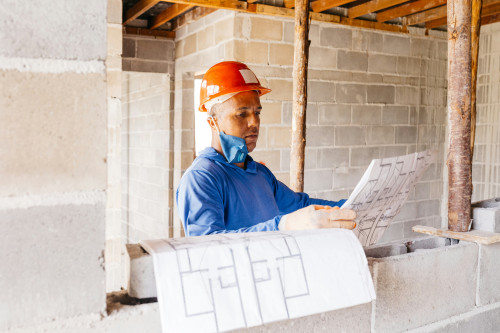
Before the final walkthrough, review your construction contract, change orders, and any addenda carefully. Check what was agreed upon regarding materials, workmanship, and timelines. This will help you evaluate whether the work has been completed as specified.
Create a checklist of items to inspect during the walkthrough, such as:
- Finishes, paint, and caulking
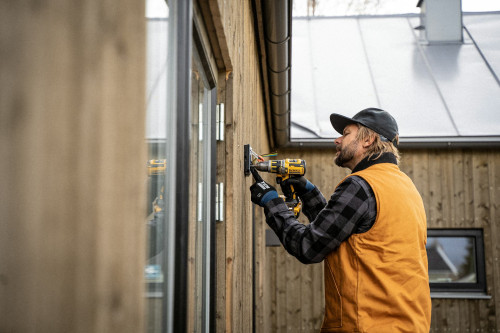
- Doors and windows (do they open and close properly?)
- Electrical, plumbing, and HVAC systems
- Exterior work, landscaping, and paving
- Site cleanup and debris removal
If you’ve worked with a construction manager, architect, or owner’s representative, bring them along. A professional eye can catch issues you might overlook.
The Final Walkthrough: Inspection and Documentation
The final walkthrough typically takes place on-site with you and the contractor present. Take your time and be thorough. Note all deficiencies—both major and minor—in a punch list or completion report that both parties sign.
This document serves as a formal record of what needs to be corrected and within what timeframe. Make sure it clearly states who is responsible for each item and when the work must be completed.
At this stage, you should also receive all relevant documentation, including warranties, operation manuals, and maintenance instructions. These materials are essential for future maintenance and for asserting warranty claims if issues arise later.
Handling Deficiencies and Incomplete Work
It’s rare for a project to be turned over without any issues. What matters most is how they’re handled. Minor defects—like paint touch-ups or missing trim—can usually be fixed quickly. More serious problems, such as uneven flooring, leaks, or improperly installed systems, may require additional work.
You should not release the final payment until all significant deficiencies have been corrected. Holding back retainage or a portion of the final payment gives the contractor an incentive to complete the work properly. In most U.S. construction contracts, you have the right to withhold payment equal to the cost of completing or correcting the work.
Post-Handover Inspections and Warranty Periods
The contractor’s responsibility doesn’t end at handover. Most contracts include warranty periods—often one year for general workmanship and longer for structural or system components. During this time, you can request repairs for defects that appear after occupancy, such as cracks, leaks, or equipment failures.
Schedule follow-up inspections at key intervals, such as at the end of the warranty period, to ensure that any latent issues are addressed before warranties expire.
Læs også:


Best Practices for a Smooth Handover
- Be prepared: Review your contract and create a detailed inspection checklist.
- Bring an expert: A construction consultant or inspector can help identify hidden issues.
- Document everything: Take photos, keep notes, and save all correspondence.
- Stay calm and professional: Minor issues are normal—focus on getting them resolved.
- Get it in writing: Confirm all agreements, corrections, and deadlines in written form.
A Strong Finish to a Major Investment
The handover phase is the culmination of months—or even years—of planning, coordination, and investment. By approaching it methodically and ensuring that every detail is documented, you protect your interests both legally and practically. A well-managed handover means you can move into your new building with confidence, knowing that it meets every agreement and is ready for use.
Læs også: