Sustainable Construction in Practice: What Does It Really Mean?

Sustainable Construction in Practice: What Does It Really Mean?
Sustainable construction has become one of the most talked‑about concepts in the American building industry—but what does it actually mean when you’re planning or constructing a real project? For many, it’s about using eco‑friendly materials and reducing energy consumption, but in practice, sustainability covers much more. It’s also about long‑term durability, economic value, occupant health, and social responsibility. Let’s take a closer look at what sustainable construction really looks like—from design to completion.
More Than Just Green Materials
When people think of sustainable construction, they often picture reclaimed wood, recycled steel, or solar panels on the roof. Those are important elements, but sustainability is just as much about smart, long‑term design. A building that lasts a century is inherently more sustainable than one that needs major renovation or replacement after a few decades.
That’s why sustainability starts in the design phase. Architects and developers increasingly use life‑cycle assessments (LCA) to evaluate a building’s total environmental impact—from raw material extraction to operation and eventual demolition. This approach provides a more realistic picture of how sustainable a project truly is.
Energy Efficiency and Indoor Health
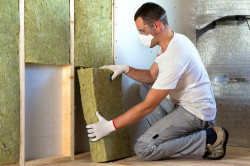
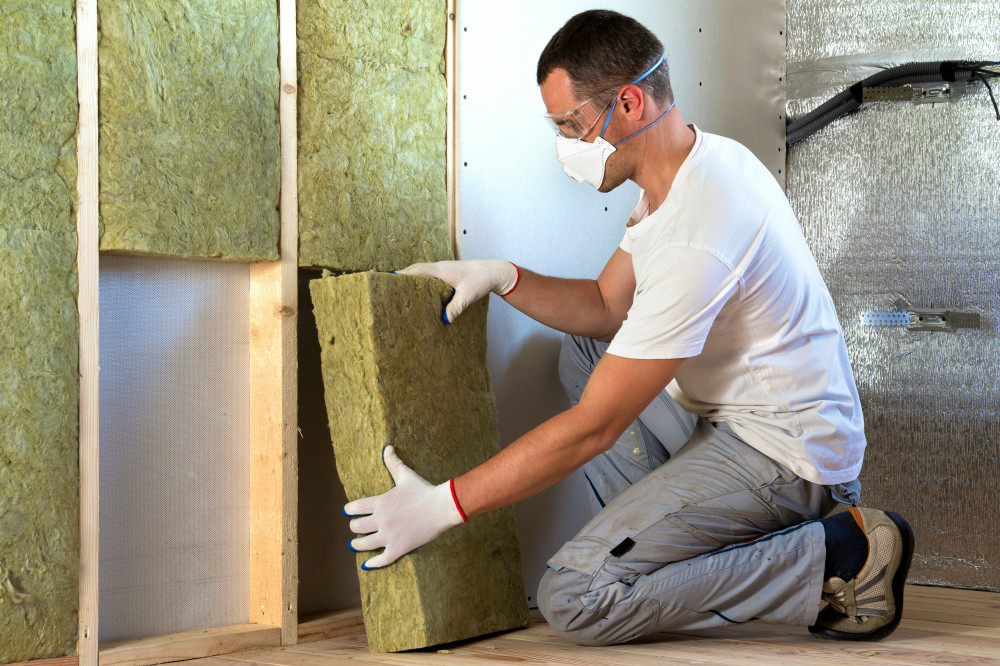
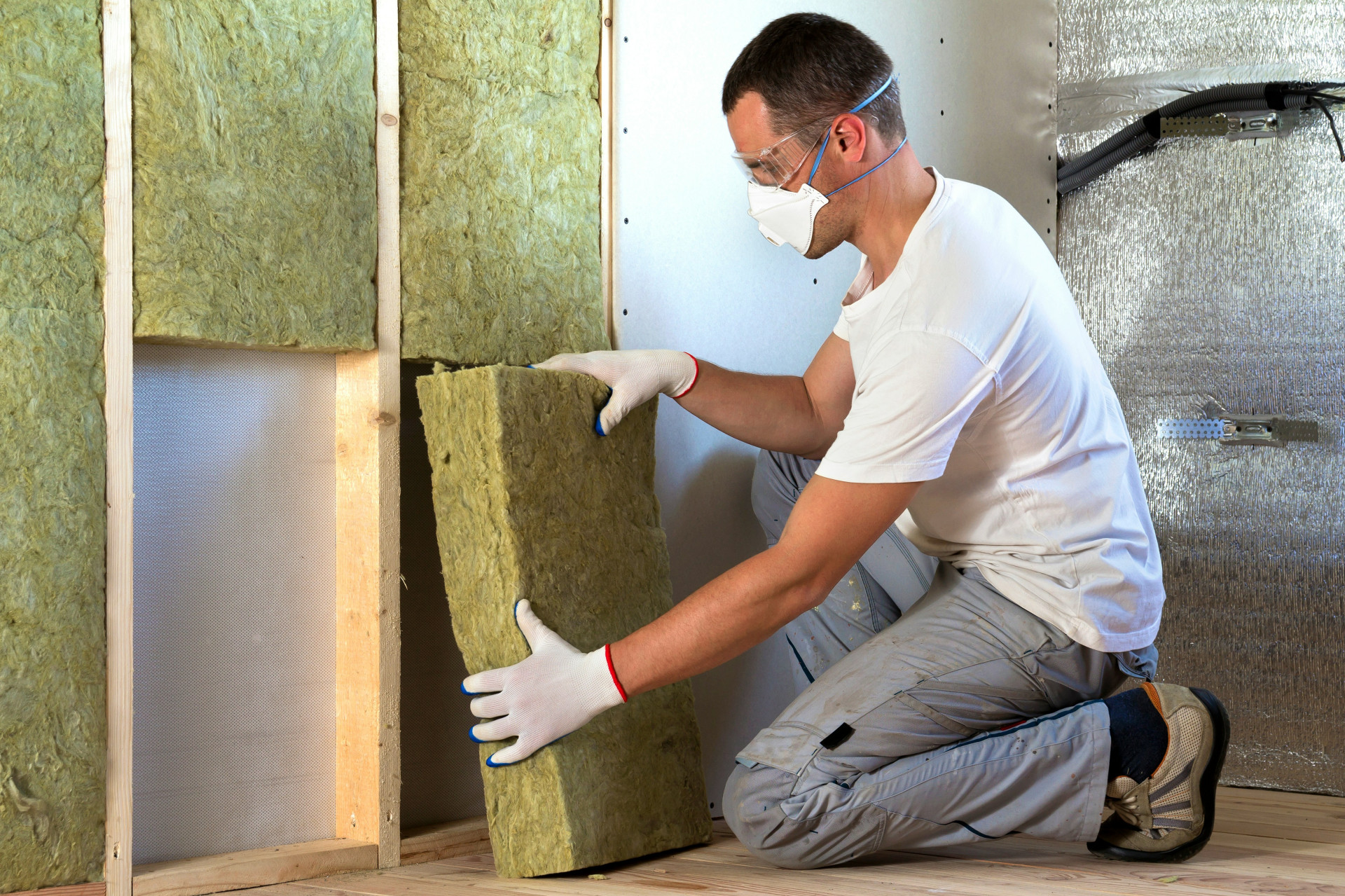
Energy efficiency remains one of the cornerstones of sustainable construction. New homes and commercial buildings are often designed to meet or exceed standards such as ENERGY STAR or LEED certification. High‑performance insulation, triple‑pane windows, and advanced HVAC systems all play a role. But sustainability isn’t only about saving energy—it’s also about creating a healthy indoor environment.
Good indoor air quality means proper ventilation, stable temperatures, and low humidity. Builders are increasingly choosing paints, flooring, and finishes with low or zero volatile organic compounds (VOCs) to reduce harmful emissions. The result is a space that’s healthier for occupants and better for the planet.
Læs også:
Reuse, Recycling, and the Circular Economy
One of the strongest trends in modern construction is the move toward a circular economy—the idea that materials should be reused or repurposed rather than discarded. This means designing buildings that can be disassembled and adapted over time instead of demolished.
Examples include using reclaimed brick, sustainably harvested timber, and modular building systems that allow components to be replaced without tearing down entire structures. This approach requires careful planning, but it significantly reduces waste and extends the life of valuable materials.
The Often‑Forgotten Factor: Economic Sustainability
Sustainability isn’t just about the environment—it’s also about economics. A truly sustainable building must make financial sense for both owners and communities. That means looking beyond upfront costs to consider total life‑cycle expenses. A building that costs slightly more to construct but saves thousands in energy and maintenance over time is often the smarter investment.
In the U.S., financial institutions are beginning to recognize this. Green mortgages and energy‑efficient financing options are becoming more common, rewarding homeowners and developers who build sustainably. Sustainability, in other words, is no longer just an ethical choice—it’s an economic advantage.
Social and Community Responsibility
A frequently overlooked aspect of sustainable construction is its social dimension. It’s about creating spaces and neighborhoods that promote well‑being, inclusivity, and community. This can mean designing accessible buildings, providing shared green spaces, or revitalizing underused urban areas.
Local sourcing also plays a role. Using regionally produced materials and hiring local contractors not only reduces transportation emissions but also supports local economies. Sustainable construction, at its best, strengthens both the environment and the community.
Getting Started as a Homeowner or Builder
If you’re planning to build sustainably, here are a few practical steps to consider:
- Consult an energy expert – Get professional advice on energy modeling and efficient design solutions.
- Choose certified materials – Look for FSC‑certified wood, GREENGUARD‑certified products, or materials with Environmental Product Declarations (EPDs).
- Design for flexibility – Plan spaces that can adapt to future needs rather than requiring major renovations.
- Incorporate renewable systems – Solar panels, geothermal heating, and rainwater harvesting can reduce both costs and environmental impact.
- Work with experienced professionals – Architects and contractors familiar with sustainable practices can help you avoid costly mistakes.
The key is to view sustainability as a holistic approach—not a checklist. A sustainable building is one that performs well for people, the planet, and the economy over the long term.
The Future of Building Is Smart and Sustainable
Sustainable construction is no longer a niche—it’s a necessity. Climate change, resource scarcity, and rising energy costs make it essential to build smarter. But sustainability isn’t just about technology; it’s about thoughtful design and responsible choices. It’s about building with respect for both nature and the people who inhabit our spaces.
Ultimately, sustainable construction isn’t an end goal—it’s a way to create better places to live, work, and thrive, now and for generations to come.
Læs også: