Misunderstandings in Construction Bids – and How to Avoid Them

Misunderstandings in Construction Bids – and How to Avoid Them
A construction bid might seem straightforward: you describe what you want, the contractor gives a price, and the work gets done. In reality, though, misunderstandings often arise—about materials, timelines, or what’s actually included in the price. Small uncertainties can quickly turn into big frustrations and unexpected costs. Here’s a guide to help you avoid the most common pitfalls when requesting and accepting construction bids in the U.S.
Why Misunderstandings Happen
Construction projects are complex. Many details need to be clarified, and both homeowners and contractors may have different expectations. Misunderstandings typically occur because:
- The project description is too vague. If you simply say “kitchen remodel,” the contractor might imagine something very different from what you have in mind.
- Materials aren’t clearly specified. Are you expecting standard cabinets or custom-built ones? Are fixtures included?
- The schedule is unclear. When will the work start, and when should it be finished?
- There’s no agreement on change orders. What happens if hidden issues are discovered once the work begins?
The more precisely you define your expectations, the less likely it is that something will go wrong.
Get the Scope Right – It’s Your Foundation
A solid bid starts with a detailed project description. This is the foundation for a clear and successful collaboration.
- Write a detailed scope of work. Specify exactly what needs to be done, what materials you want, and what the finished result should look like.
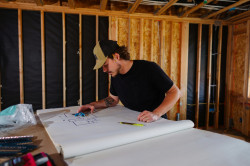
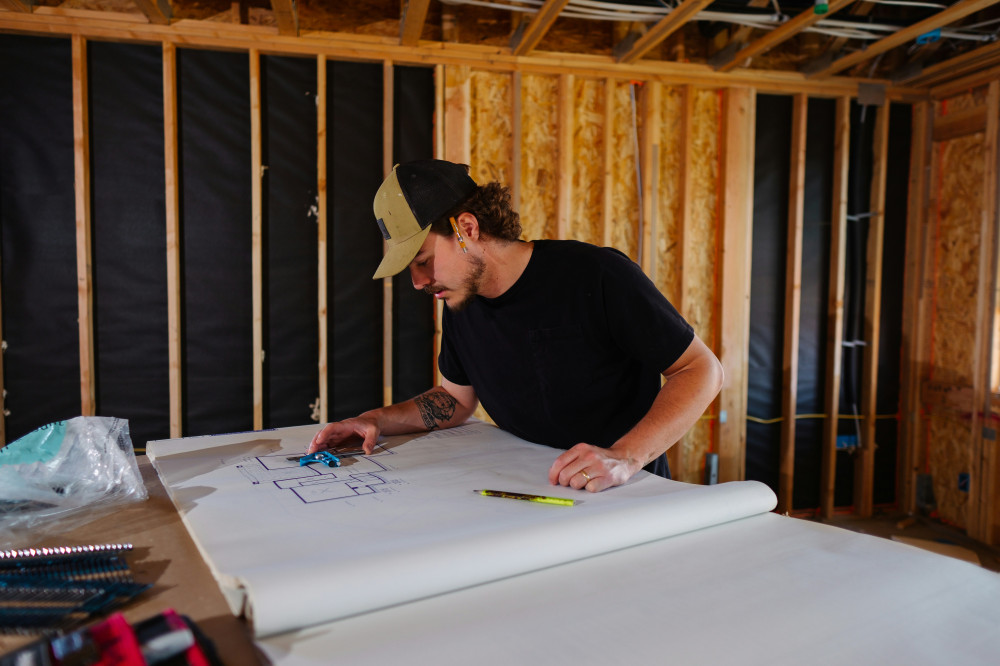
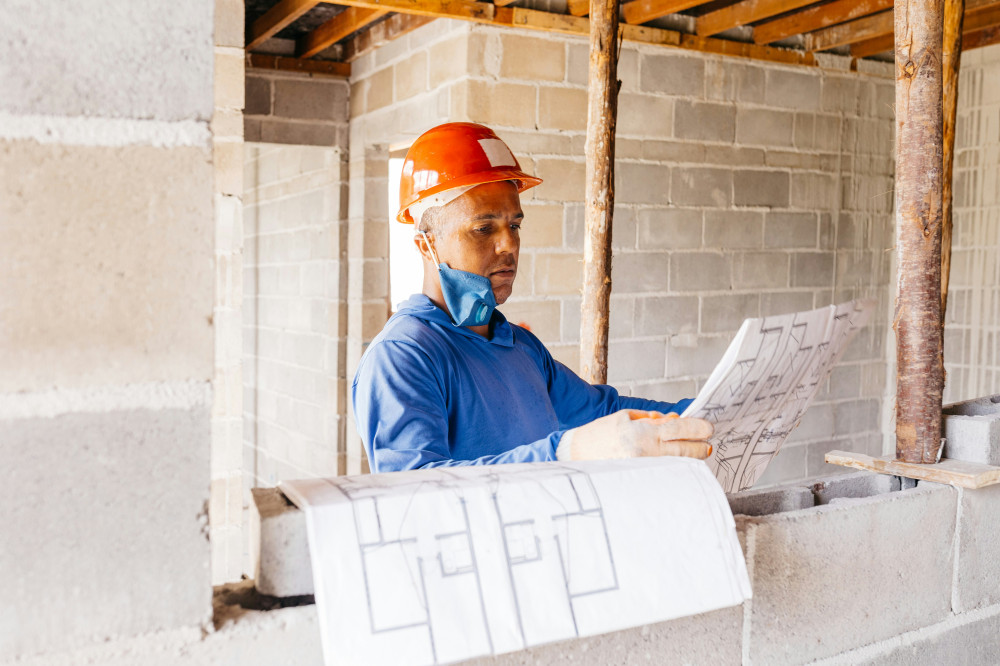
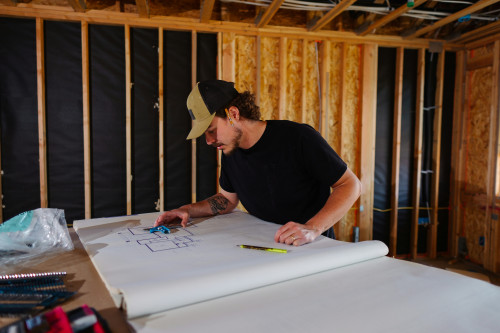
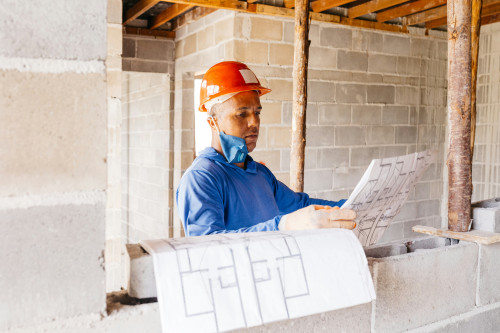
- Include drawings or photos. Visuals help the contractor understand your expectations.
- List measurements and quantities. How many square feet of flooring? How many windows to replace?
- Be realistic. If you’re unsure about something, ask questions—better to clarify early than to fix mistakes later.
A clear scope helps contractors provide accurate pricing and makes it easier for you to compare bids fairly.
Compare Bids on the Right Basis
When you receive multiple bids, it’s tempting to pick the lowest one. But price alone doesn’t tell the whole story. Look closely at what’s actually included.
- Check if labor and materials are itemized. This gives you better transparency.
- See if disposal, permits, and cleanup are included. These can add up if not accounted for.
- Understand whether it’s a fixed price or an estimate. A fixed price offers more certainty.
- Review how changes are handled. A clear change order process prevents unpleasant surprises.
Consider creating a simple comparison chart listing key points from each bid. It helps you see which offer truly provides the best value.
Put Everything in Writing
Many disputes in construction projects stem from verbal agreements that are remembered differently. Always make sure everything important is documented.
- Get a written contract. It should include the price, timeline, payment schedule, and detailed description of the work.
- Keep all correspondence. Emails and text messages can be useful if questions arise later.
- Don’t sign until you understand everything. Ask for clarification—professional contractors will take the time to explain.
A written agreement protects both you and the contractor and creates a sense of security for everyone involved.
Manage Changes the Right Way
Even with the best planning, changes happen. Maybe you decide on a different tile, or the contractor finds water damage behind a wall. That’s normal—but it needs to be handled properly.
- Pause work until the change is agreed upon. Otherwise, costs can spiral out of control.
- Get a written change order with pricing. Know the cost before the work continues.
- Update the schedule. Extra work can affect completion dates.
Small changes can add up quickly if they’re not documented, so keep track of them as the project progresses.
Communication Is Key
Good communication is the backbone of any successful project. Set regular check-ins to review progress and discuss any concerns.
- Ask questions early and often. It’s better than discovering problems after the fact.
- Respect the contractor’s expertise. Most issues are solved best through cooperation, not confrontation.
- Keep the tone professional. A respectful dialogue creates a better working environment and reduces misunderstandings.
When communication flows smoothly, the project runs more efficiently and everyone ends up more satisfied.
Læs også:
Clear Agreements Lead to Better Results
A construction bid isn’t just a piece of paper—it’s the foundation for a working relationship that needs to function in practice. The more clearly you define your expectations and document your agreements, the greater your chances of a successful project without conflict.
Take the time to prepare thoroughly, ask detailed questions, and make sure everything is in writing. It may feel like extra work at the start, but it pays off—in peace of mind, quality results, and financial control.
Læs også: