Keep an Eye on Your Investments – Without Tracking Them All the Time

Stay informed about your portfolio without letting market fluctuations control your mindset
Money
Money
5 min
Learn how to monitor your investments effectively without falling into the trap of constant checking. Discover strategies for setting routines, using technology wisely, and maintaining peace of mind while your money works for you.
Cole Clark
Cole
Clark

Keep an Eye on Your Investments – Without Tracking Them All the Time

Stay informed about your portfolio without letting market fluctuations control your mindset
Money
Money
5 min
Learn how to monitor your investments effectively without falling into the trap of constant checking. Discover strategies for setting routines, using technology wisely, and maintaining peace of mind while your money works for you.
Cole Clark
Cole
Clark

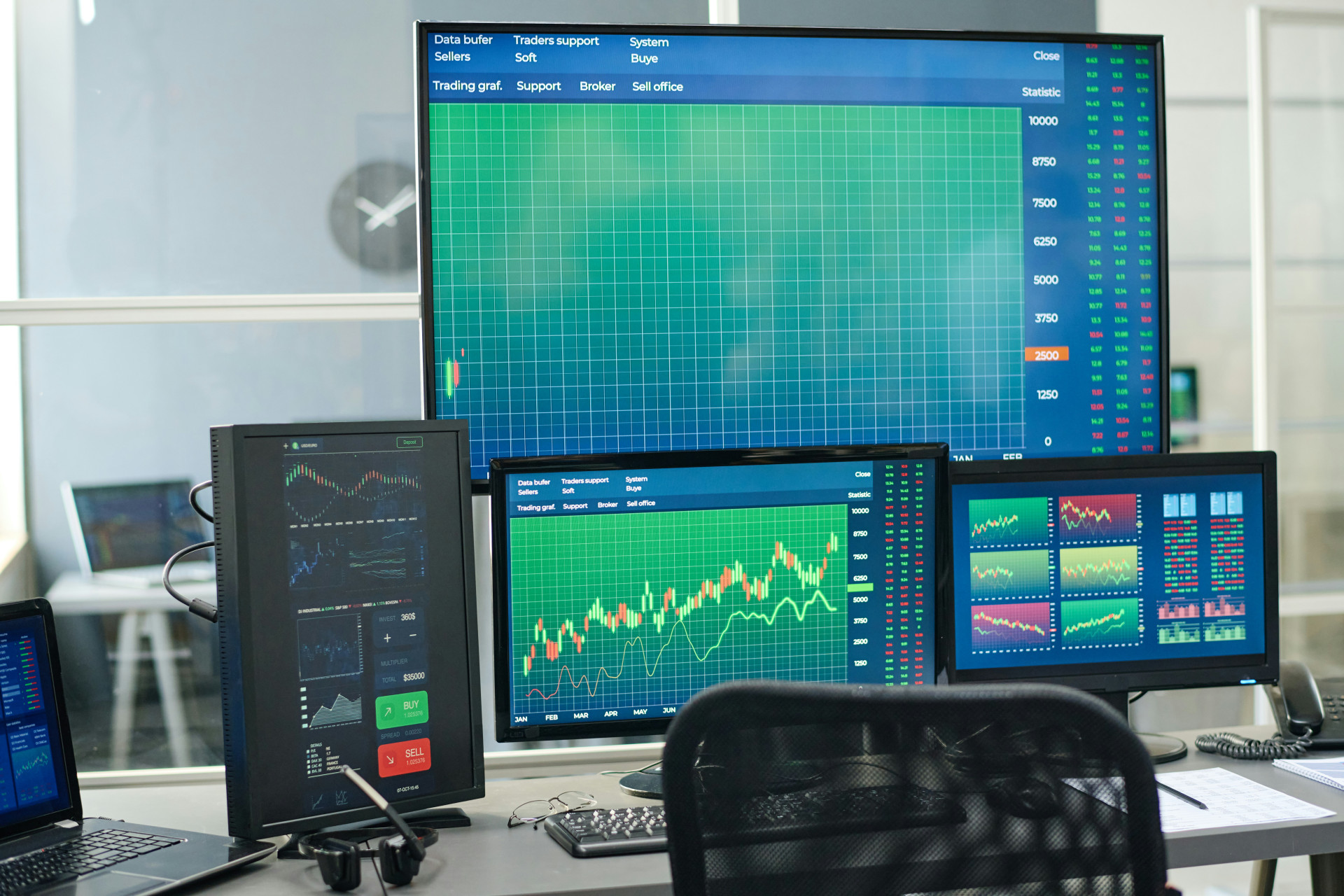
Once you’ve put your money to work, it can be tempting to check your portfolio every day. But constant monitoring can lead to stress, impulsive decisions, and unnecessary trades. Good investing is about balance: staying informed without letting daily market swings dictate your emotions. Here’s how you can keep track of your investments calmly and effectively.

Know Your Strategy – and Stick to It

The best way to stay confident is to have a clear investment strategy. When you know why you’re investing and how long your time horizon is, it’s easier to ignore short-term volatility.

  • Long-term goals: If you’re investing for retirement or other goals years down the road, daily market drops rarely matter. The market fluctuates, but historically it tends to rise over time.
  • Shorter-term goals: If you’ll need the money within a few years, you might choose a more conservative approach—but still avoid reacting to every headline.

Once you’ve set your plan, write it down. It’s a helpful reminder of your purpose when markets get turbulent.

Set Regular Check-Ins

Instead of opening your investment app every morning, schedule specific times to review your portfolio—say, once a month or once a quarter. This gives you a more realistic view of performance and reduces the urge to make emotional trades.

During your review, you can:

  • Check whether your portfolio still matches your risk tolerance.
  • Reinvest dividends or rebalance if allocations have drifted.
  • Read up on any major changes in the funds or companies you own.

Between those check-ins, you can confidently let the market do its thing.

Tune Out the Noise

Financial news, social media, and online forums can be both helpful and distracting. Many headlines are designed to grab attention—not to help you make better decisions.

Choose a few reliable sources to follow regularly instead of chasing every new trend. Remember, even professional investors can’t predict short-term market movements.

If the news starts making you anxious, take a break. Your investments don’t need constant attention—they need time to grow.

Automate Where You Can

Automation can help you stay disciplined. Setting up automatic monthly contributions—through your brokerage account, 401(k), or IRA—removes the need to decide when to invest.

This approach, known as dollar-cost averaging, means you buy both when prices are high and when they’re low, smoothing out risk over time. It also turns investing into a habit rather than a daily decision.

Accept Market Fluctuations

Even the best portfolios experience downturns. It’s a normal part of investing. Instead of seeing a drop as a sign that something’s wrong, view it as part of the journey.

A 10% decline can feel alarming, but if your time horizon is 10–20 years, it’s rarely critical. The key is not to sell in panic—because that’s often when the biggest losses occur.

Use Technology Wisely

There are plenty of tools that can help you stay informed without becoming overwhelmed. For example, you can:

  • Set alerts for major portfolio changes instead of checking manually.
  • Use dashboard apps that consolidate your accounts in one place.
  • Save reports and analyses to review during your scheduled check-ins.

Technology should support your strategy—not control it.

Invest with Peace of Mind

Investing isn’t just about numbers and returns—it’s also about psychology. The calmer you are about your decisions, the better your long-term results are likely to be. It takes discipline to not act all the time, but that restraint often makes the biggest difference.

By having a clear plan, automating your contributions, and limiting how often you check your portfolio, you can stay on top of your finances—without letting them take over your everyday life.

Public Benefits and Economic Stability – Why It’s Good for You, Too
How public benefits strengthen the economy and support everyone’s financial well-being
Money
Money
Public Benefits
Economic Stability
Social Security
Financial Security
Public Policy
3 min
Public benefits do more than help individuals in need—they keep the entire economy stable. Discover how programs like Social Security, unemployment insurance, and food assistance create security, sustain spending, and build a stronger, more resilient society that benefits us all.
Daisy Adams
Daisy
Adams
Short-Term vs. Long-Term Savings: Two Paths to Financial Security
Learn how balancing short-term and long-term savings can strengthen your financial future
Money
Money
Personal Finance
Savings
Financial Planning
Money Management
Budgeting
5 min
Discover the key differences between short-term and long-term savings and how each supports your financial goals. From building an emergency fund to planning for retirement, this guide shows how combining both strategies can help you achieve lasting financial security.
Hailey Diaz
Hailey
Diaz
Fluctuating Income? How to Build Financial Stability as a Freelancer or Small Business Owner
Practical strategies to manage irregular earnings and achieve lasting financial confidence
Money
Money
Freelancing
Small Business
Personal Finance
Budgeting
Financial Planning
6 min
Freelancers and small business owners often face unpredictable income, but financial stability is still within reach. Learn how to budget effectively, prepare for slow periods, and build a secure foundation for your business and personal life.
Braxton Robinson
Braxton
Robinson
Know Your Deductible – and Protect Your Belongings Better
Understand your insurance deductible and make smarter choices for your coverage
Insurance
Insurance
Insurance
Deductible
Personal Finance
Home Protection
Financial Tips
5 min
Many people focus on insurance premiums, but your deductible plays an equally important role in protecting your finances and belongings. Learn what a deductible is, why it matters, and how to choose the right one to balance cost and security.
Cole Clark
Cole
Clark
How an Insurance Policy Is Typically Structured
Understand the key components that make up your insurance policy
Insurance
Insurance
Insurance
Policy Structure
Financial Literacy
Coverage
Consumer Guide
7 min
Insurance documents can seem complex, but most follow a clear structure once you know what to look for. Learn how a typical policy is organized, what each section means, and how to identify the details that matter most to your coverage.
Reid Turner
Reid
Turner
Choose an insurance company that speaks a language you understand
Make confident insurance choices by understanding every word of your policy
Insurance
Insurance
Insurance
Financial Literacy
Consumer Advice
Personal Finance
Communication
2 min
Insurance shouldn’t feel like a foreign language. Learn how to find a company that communicates clearly, explains your coverage in plain terms, and helps you make informed decisions when it matters most.
Daisy Adams
Daisy
Adams
Make Insurance Easier to Manage: Include Premiums in Your Monthly Budget
Take control of your finances by turning insurance premiums into a simple monthly habit
Insurance
Insurance
Personal Finance
Budgeting
Insurance
Financial Planning
Money Management
7 min
Managing insurance doesn’t have to be stressful. Learn how including your premiums in your monthly budget can make your financial planning smoother, prevent surprise expenses, and help you stay organized all year round.
Hailey Diaz
Hailey
Diaz
Life Insurance as Part of Your Long-Term Financial Plan
Strengthen your financial future by understanding the role of life insurance
Insurance
Insurance
Life Insurance
Financial Planning
Personal Finance
Long-Term Strategy
Financial Security
2 min
Life insurance is more than a safety net—it’s a key element of a well-rounded financial plan. Learn how the right policy can protect your loved ones, support your long-term goals, and bring lasting peace of mind.
Braxton Robinson
Braxton
Robinson