Construction Insurance as Financial Security During the Building Process

Construction Insurance as Financial Security During the Building Process
Building a new home or undertaking a major renovation is one of the biggest financial commitments many Americans will ever make. It’s an exciting process, but it also comes with risks. Unexpected damage, construction defects, or contractor insolvency can quickly turn a dream project into a financial burden. Construction insurance serves as a crucial safety net—providing financial protection and peace of mind throughout the building process.
What Is Construction Insurance?
Construction insurance is a type of coverage designed to protect property owners, contractors, and builders from losses that may occur during the construction or renovation of a building. In the United States, it’s not a single policy but rather a combination of coverages that address different risks associated with construction projects.
Common types include:
- Builder’s Risk Insurance – Covers damage to the building and materials during construction due to events like fire, theft, vandalism, or certain weather-related incidents.
- General Liability Insurance – Protects against third-party claims for bodily injury or property damage caused by construction activities.
- Workers’ Compensation Insurance – Required in most states, this covers medical expenses and lost wages if a worker is injured on the job.
- Professional Liability Insurance – Also known as errors and omissions insurance, it protects architects, engineers, and contractors against claims of negligence or design errors.
Together, these policies form a comprehensive shield against the financial risks that can arise during a building project.
Why Construction Insurance Matters
Even the most carefully planned construction project can face setbacks. A storm could damage materials, a subcontractor might make a costly mistake, or a fire could destroy months of progress. Without proper insurance, the financial consequences can be devastating.
Construction insurance ensures that you’re not left paying out of pocket for losses that occur during the build. For homeowners, it means protection for your investment before the property is even complete. For contractors and builders, it provides a safeguard against liability claims and unexpected costs that could threaten your business.
In many cases, lenders require proof of builder’s risk insurance before approving a construction loan—underscoring how essential this coverage is to the financial stability of a project.
What Does It Cover?
Coverage varies depending on the policy and the scope of the project, but a typical builder’s risk policy may include:
- Damage to the structure and materials from fire, theft, vandalism, or certain natural disasters.
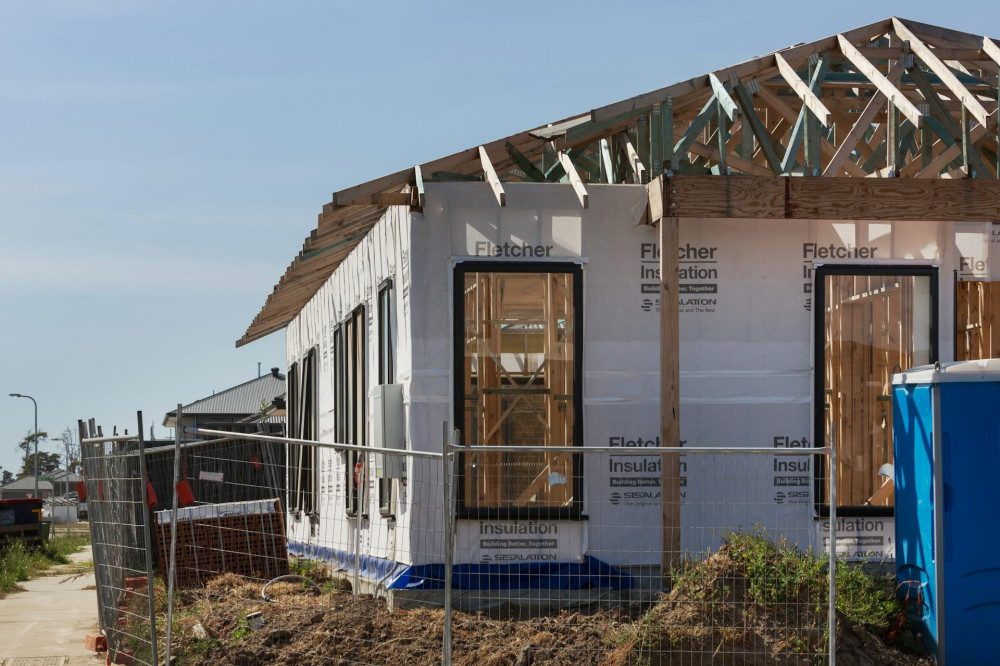
- Temporary structures and equipment such as scaffolding, fencing, and construction trailers.
- Debris removal and cleanup costs after a covered loss.
- Soft costs like interest on loans or additional architectural fees if construction is delayed due to a covered event.
It’s important to note that builder’s risk insurance usually does not cover normal wear and tear, faulty workmanship, or employee injuries—these are addressed by other types of insurance.
Læs også:

Who Should Obtain the Insurance?
Responsibility for obtaining construction insurance depends on the project and contractual agreements. For residential projects, the homeowner or the general contractor typically purchases builder’s risk insurance. In commercial projects, the developer or property owner often secures the coverage.
Regardless of who buys the policy, all parties involved should be listed as insureds to ensure everyone’s interests are protected. Before construction begins, it’s wise to confirm that the necessary policies are in place and that coverage limits are sufficient for the project’s total value.
How to Choose the Right Policy
Selecting the right construction insurance requires careful consideration. When comparing policies, pay attention to:
- Coverage limits – Ensure the policy covers the full replacement cost of the project.
- Deductibles – Understand how much you’ll pay out of pocket in the event of a claim.
- Exclusions – Review what types of damage or events are not covered.
- Duration of coverage – Builder’s risk policies typically last until the project is completed and occupied.
- Insurer reputation – Choose a company with experience in construction insurance and a strong financial rating.
Consulting with an insurance broker who specializes in construction can help you tailor coverage to your specific project and avoid costly gaps.
A Smart Investment in Security
While construction insurance adds to the overall cost of a project, it’s an investment in financial security. It protects your property, your finances, and your peace of mind from the unpredictable challenges that can arise during construction. Should something go wrong, you’ll have the assurance that repairs and losses are covered—allowing you to focus on completing your project safely and successfully.
In short, construction insurance isn’t just a formality; it’s a cornerstone of responsible building. It ensures that your investment is protected from start to finish, helping you build not only a structure but also lasting confidence in your project’s future.
Læs også: