Avoid Common Financial Pitfalls in Your Construction Project

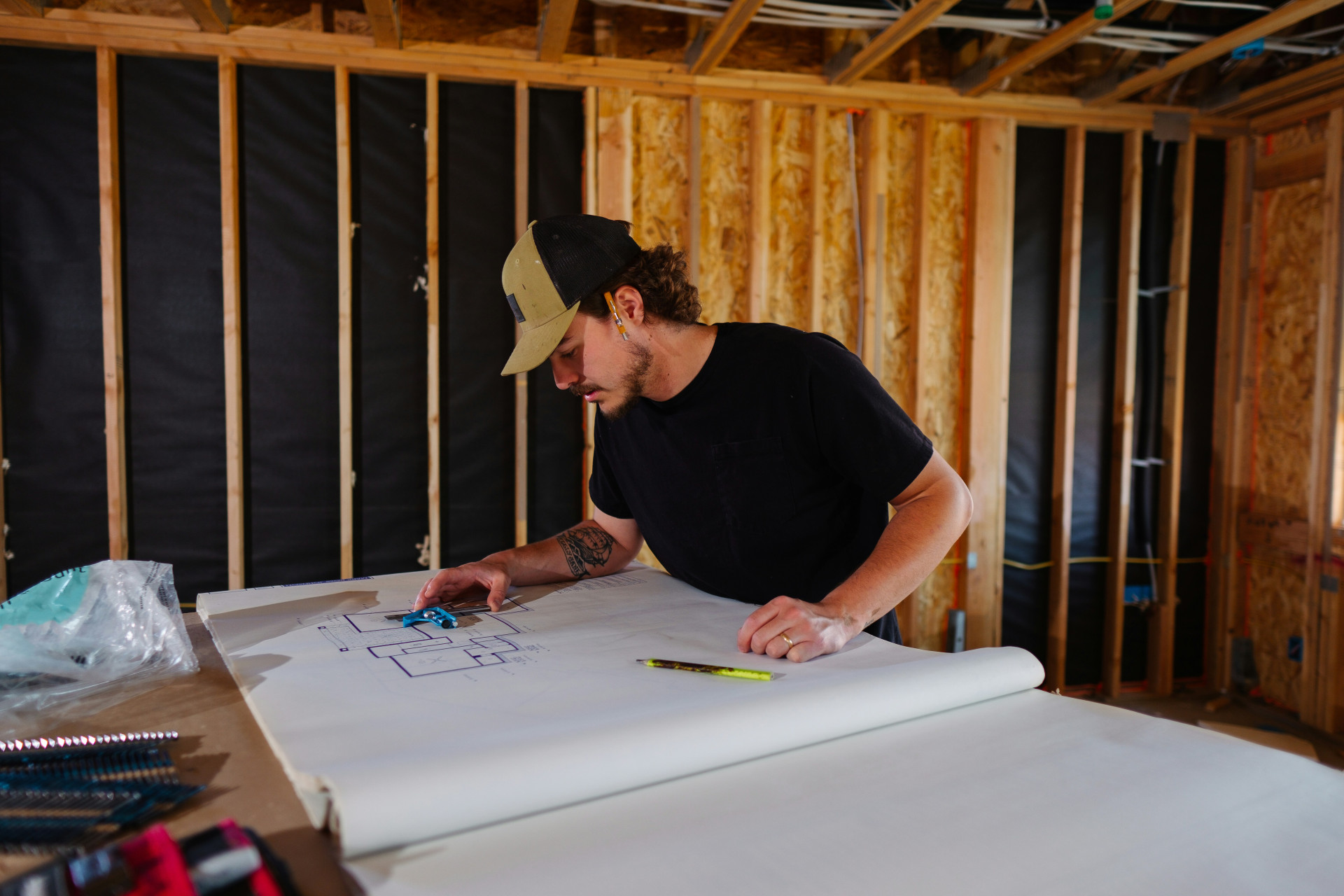
Avoid Common Financial Pitfalls in Your Construction Project
A construction project—whether it’s a home addition, a renovation, or building from the ground up—is one of the biggest financial commitments many Americans will ever make. The dream of creating more space, improving comfort, or designing a home that fits your lifestyle can quickly become more expensive than expected. Budgets often spiral out of control due to underestimated costs, missing permits, or unclear contracts. Here’s a guide to help you avoid the most common financial pitfalls in your construction project.
Start with a Realistic Budget
The foundation of a financially sound project is a realistic budget. Many homeowners make the mistake of basing their budget on what they hope the project will cost rather than what it actually costs.
Create a detailed breakdown of all expenses: materials, labor, design fees, permits, insurance, and unexpected costs. A good rule of thumb is to add a 10–15% contingency fund. It may seem high, but nearly every project encounters surprises along the way.
Don’t forget temporary expenses, such as renting another place to live during construction or additional commuting costs if you’re living farther from the site.
Secure Financing Before You Begin
Before breaking ground, make sure your financing is fully in place. Talk to your bank, credit union, or mortgage lender about the best loan options for your situation. While personal loans or credit cards might seem like quick solutions, they often come with higher interest rates that can strain your budget over time.
Ensure your financing covers the entire project—including contingencies. Many projects stall mid-construction because funds run out, leading to costly delays and stress.
Læs også:

Get Everything in Writing
One of the biggest sources of financial trouble in construction projects is unclear agreements. Always have written contracts with every contractor and supplier. Each contract should clearly outline the scope of work, pricing, payment schedule, and timeline.
Use standard contract templates or consult an attorney familiar with construction law in your state. This protects both you and your contractors and makes it easier to resolve disputes if they arise.
Avoid paying too much upfront. Instead, structure payments in stages based on completed and approved work.
Be Careful with Mid-Project Changes
It’s common to get new ideas once construction is underway—but every change costs time and money. Even small adjustments, like moving a wall or choosing a different flooring material, can have ripple effects on your schedule and budget.
Think carefully before making changes, and always request a written change order with updated pricing before approving additional work. This helps you avoid unpleasant surprises when the final bill arrives.
Don’t Overlook Hidden Costs
Homeowners often focus on visible features—kitchens, bathrooms, flooring, and finishes—while forgetting about hidden costs. These can include foundation work, electrical upgrades, plumbing, insulation, or soil issues that require extra preparation.
Get thorough inspections and assessments before starting. A soil test can reveal whether you’ll need additional foundation support, and an energy audit can help you identify where to invest in insulation or energy-efficient systems that save money long-term.
Get Multiple Bids—and Compare Carefully
It pays to get multiple bids, but make sure you’re comparing apples to apples. A low bid might look appealing, but if it excludes certain materials or services, it could end up costing more in the end.
Review each proposal carefully and ask what’s included—and what’s not. This gives you a clearer picture of which contractor offers the best value for your budget and quality expectations.
Make Sure You’re Properly Insured
Construction always carries some risk. Before work begins, confirm that you have the right insurance coverage. Builder’s risk insurance typically covers damage during construction, while homeowner’s insurance may need to be updated to reflect the project. If you’re building a new home, consider a warranty or structural coverage that protects you from defects after completion.
Also, verify that your contractors carry liability insurance and workers’ compensation. This protects you from being held responsible for accidents or damages on-site.
Track Your Spending Throughout the Project
Even the best budget can fall apart without regular monitoring. Keep a simple spreadsheet or use project management software to track all expenses and compare them to your original plan. This helps you spot potential overruns early and make adjustments before they become major problems.
If your project is large or complex, consider hiring a construction manager or financial advisor to help oversee costs. While it’s an added expense, it often saves money—and headaches—in the long run.
Building Without Financial Surprises
A successful construction project isn’t just about quality craftsmanship—it’s about planning, transparency, and control. By anticipating common financial pitfalls and addressing them early, you can avoid stress, delays, and unexpected bills.
With realistic expectations, careful preparation, and consistent oversight, your dream project can stay on budget—and bring lasting satisfaction instead of financial regret.
Læs også: