Think About Fuel Economy Before You Change Cars – It Can Pay Off

Think About Fuel Economy Before You Change Cars – It Can Pay Off
When it’s time to replace your car, it’s easy to be tempted by sleek designs, new technology, and extra horsepower. But with gas prices fluctuating and growing awareness of environmental impact, it’s smart to take a closer look at fuel economy. The car you choose can make a big difference to both your wallet and the planet – and in many cases, choosing a more efficient model truly pays off.
Small Differences, Big Savings
Even a small difference in fuel economy can add up over time. Suppose you drive 12,000 miles a year. A car that gets 35 miles per gallon will use about 343 gallons of gas annually. A car that gets 25 miles per gallon will use 480 gallons for the same distance. At $3.50 per gallon, that’s a difference of nearly $480 a year – and much more if gas prices rise or you drive longer distances.
Over the life of the car, those savings can easily reach several thousand dollars. That’s money you could put toward maintenance, insurance, or even your next vehicle. It’s worth doing the math before you buy.
Consider How You Drive
Fuel economy isn’t just about the car’s official rating – it’s also about how and where you drive. If most of your trips are short and in city traffic, a hybrid or electric vehicle might be ideal, since they perform best in stop-and-go conditions. If you spend a lot of time on the highway, a fuel-efficient gas or diesel model could still be a smart choice.
Think about how often you drive and how much space you really need. A smaller car or crossover generally uses less fuel than a large SUV or pickup truck. Downsizing can make a noticeable difference in both fuel costs and emissions.
Electric, Hybrid, or Gas – What Fits You Best?
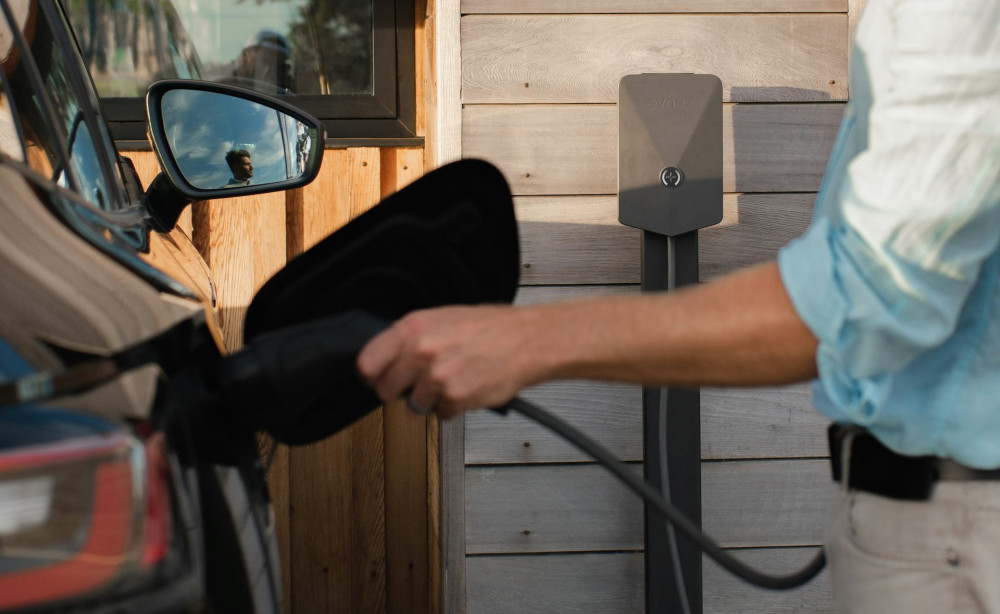
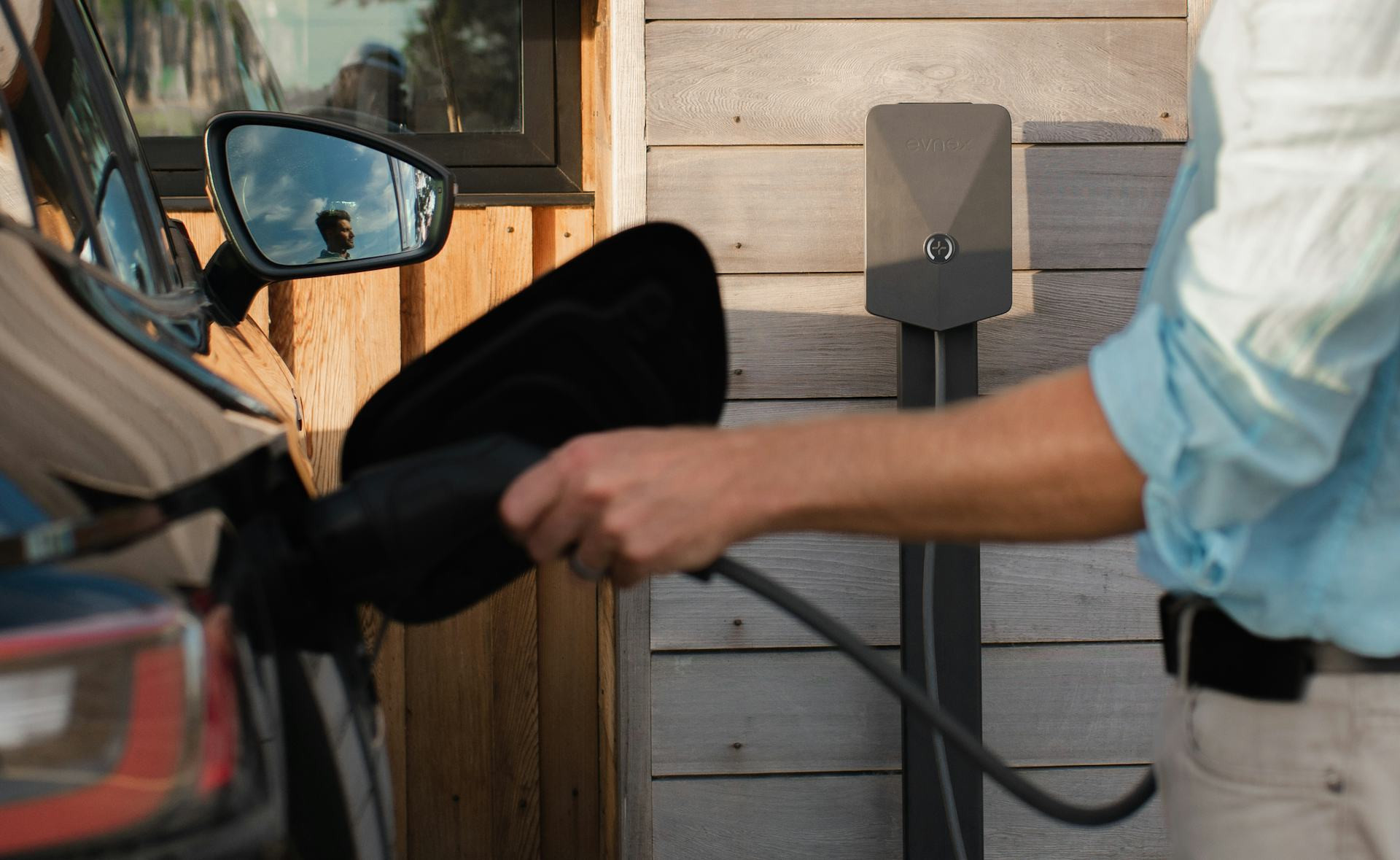
The U.S. car market has changed dramatically in recent years. Electric vehicles (EVs) are becoming more affordable, and many now offer ranges of 250 miles or more on a single charge. While EVs often have higher upfront prices, they can be cheaper to operate because electricity costs less per mile than gasoline, and maintenance is typically lower.
Hybrid cars are a good middle ground for drivers who aren’t ready to go fully electric. They combine a gas engine with an electric motor, improving fuel economy – especially in city driving.
If you prefer a traditional gas-powered car, look for models with high fuel-efficiency ratings and modern engine technology. Features like automatic start-stop systems, turbocharged smaller engines, and mild-hybrid setups can all help reduce fuel consumption without sacrificing performance.
Don’t Forget the Hidden Costs
Fuel economy affects more than just how often you fill up. Cars that use less fuel often have lower annual registration fees in some states, and they may qualify for tax incentives or rebates. They can also be cheaper to insure and tend to hold their value better, as demand for efficient vehicles continues to grow.
On the other hand, a car with poor fuel economy can become more expensive to own as gas prices rise and environmental regulations tighten. Thinking long-term – not just about the purchase price, but about total ownership costs – can save you money and stress down the road.
Læs også:


How to Compare Cars
When comparing vehicles, check the official EPA fuel economy ratings, which show miles per gallon (MPG) for city, highway, and combined driving. You can find these numbers on the window sticker at the dealership or on the EPA’s website, fueleconomy.gov, which also lets you compare models side by side.
Online calculators can help you estimate your annual fuel costs based on your driving habits and local gas prices. This gives you a clearer picture of what each car will really cost to operate – and where you can save the most.
A Choice That Pays Off – For You and the Environment
Thinking about fuel economy isn’t just about saving money; it’s also about making a responsible choice. A car that uses less fuel produces fewer emissions, helping reduce your carbon footprint. At the same time, you’ll enjoy lower running costs and a vehicle that’s likely to retain its value better.
So next time you’re shopping for a new car, don’t just focus on the color, the trim, or the horsepower. Take a close look at how far you can go on a gallon of gas – it might be the detail that makes the biggest difference in the long run.
Læs også: