Drive Smart – Plan Your Routes and Save Both Time and Fuel

Drive Smart – Plan Your Routes and Save Both Time and Fuel
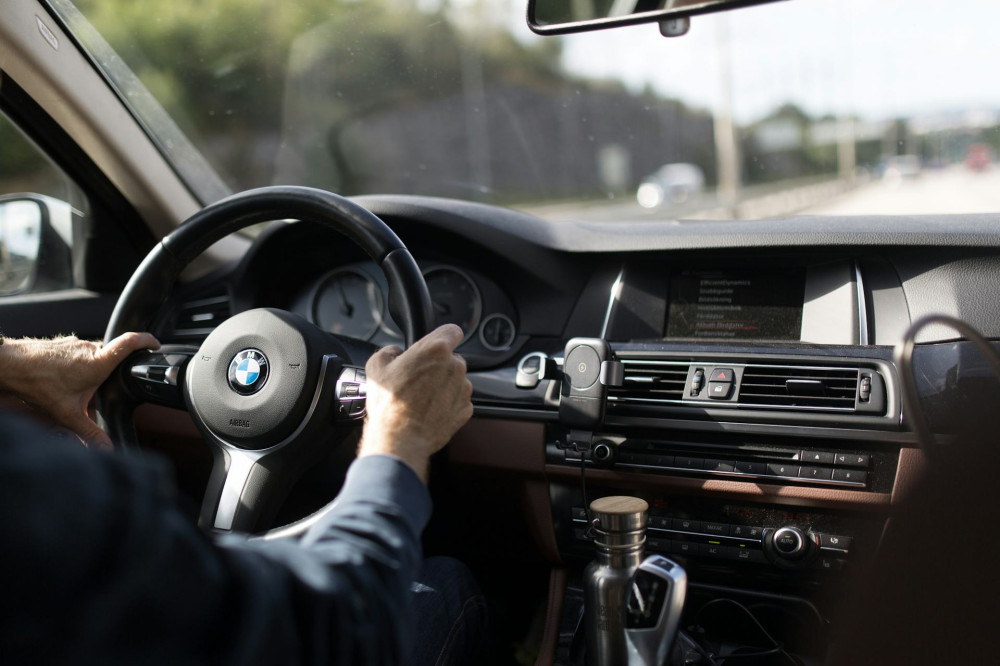
For most Americans, driving is part of everyday life—commuting to work, running errands, taking kids to activities, or heading out on road trips. But with rising gas prices and growing environmental concerns, it’s worth thinking more strategically about how you plan your drives. Smart route planning can save you time, money, and fuel—without requiring major changes to your routine. Here’s how to drive smarter and make every mile count.
Know Your Driving Habits
The first step toward more efficient driving is understanding how you actually use your car. Many people take the same routes every day without considering whether they’re the most efficient. Try tracking your trips for a week—where you go, when, and why. You might find that some errands can be combined or that there are shorter or less congested routes available.
For example, if you usually stop for groceries after getting home, consider swinging by the store on your way back from work instead. Combining trips saves both time and fuel.
Use Technology to Your Advantage
Modern navigation tools and apps can make a big difference in how efficiently you drive. Many GPS systems and smartphone apps provide real-time updates on traffic, construction, and accidents, helping you choose the fastest or most fuel-efficient route.
- Google Maps and Waze offer live traffic data and suggest alternate routes.
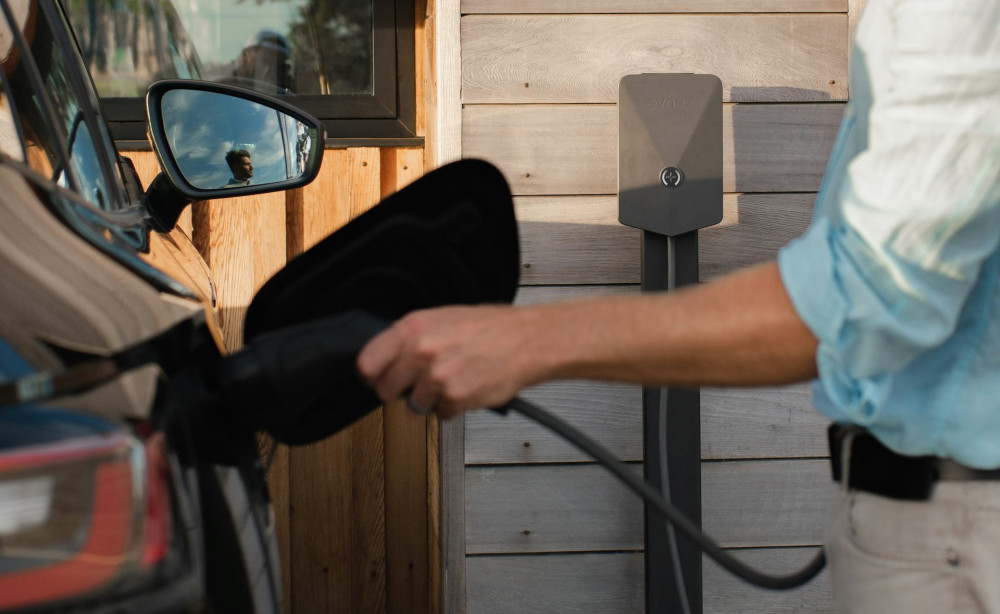
- Automaker apps for newer vehicles can estimate fuel or battery use and plan charging stops for electric cars.
- Mileage-tracking apps can help you monitor how much you drive—useful for budgeting and reducing your carbon footprint.
By using these tools, you can avoid unnecessary idling, detours, and stop-and-go traffic—all of which waste fuel.
Plan Around Time and Traffic
When you drive can be just as important as where you drive. Rush hour often means slow traffic, frequent stops, and higher fuel consumption. If your schedule allows, try traveling outside peak hours to save both time and gas.
Also, think about the order of your errands. A route that looks longer on a map might actually be faster if it avoids heavy traffic or multiple stoplights. The goal is to think about the overall flow of your trip, not just the distance.
Læs også:

Combine Trips and Avoid Idling
Short trips with a cold engine are among the biggest fuel wasters. Engines use more gas when they’re cold, so several small trips can quickly add up. By combining errands into one longer trip, you’ll use less fuel and reduce wear on your car.
Avoid idling whenever possible. Even a few minutes of unnecessary idling each day can waste fuel and increase engine wear. If you’re waiting for someone, it’s usually better to turn off the engine.
Think About the Route—Not Just the Destination
The shortest route isn’t always the best one. A route with fewer stops, smoother traffic, and moderate speeds can often be more fuel-efficient. Highways may be faster, but driving at high speeds increases fuel consumption. Sometimes, a steady drive on a local road can be cheaper and less stressful.
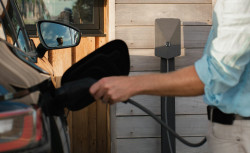
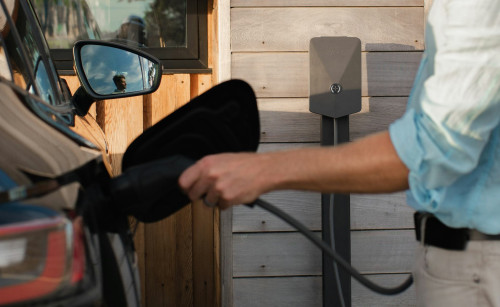
If you drive an electric vehicle, plan your route around charging stations. Many apps can show you where to charge and how long it will take, helping you avoid unnecessary delays.
Maintenance and Driving Style Matter
Even the best route planning won’t help much if your car isn’t in good shape. Keep your tires properly inflated, get regular maintenance, and replace air filters as needed—these small steps can improve fuel economy by up to 10%.
Your driving style also plays a big role. Accelerate smoothly, maintain a steady speed, and use engine braking when possible. These habits not only save fuel but also reduce wear and tear on your vehicle.
Small Changes, Big Impact
Driving smart isn’t about overhauling your lifestyle—it’s about making small, intentional choices. By planning your routes, using technology, and paying attention to timing and driving habits, you can save both time and money while helping the environment.
Next time you get behind the wheel, ask yourself: Is there a smarter way to get there? Chances are, there is—and the benefits will show up in your wallet, your schedule, and your peace of mind.
Læs også: