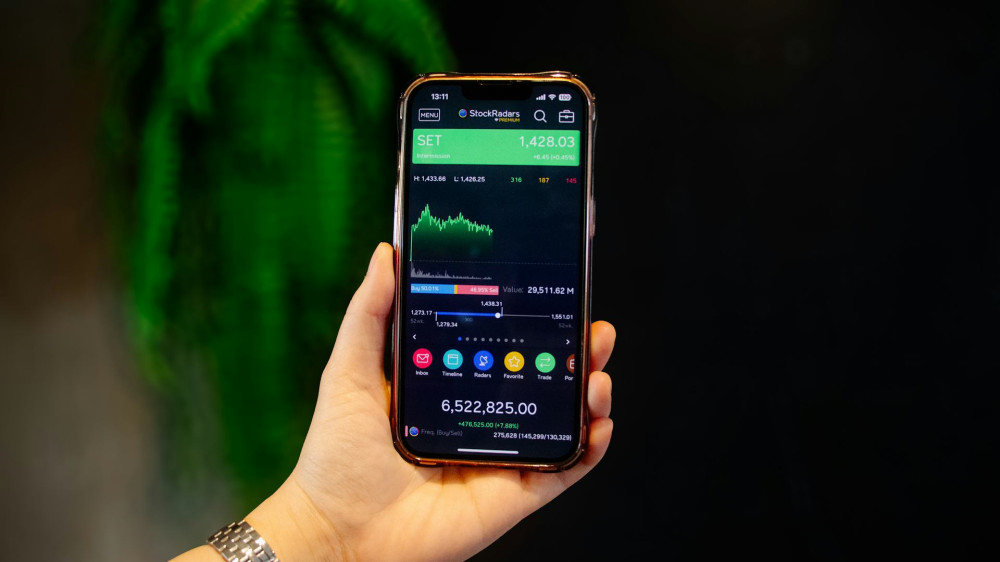
Investing for Everyone: How to Make It a Natural Part of Your Personal Finances


Investing for Everyone: How to Make It a Natural Part of Your Personal Finances
For many Americans, investing can seem like something reserved for Wall Street professionals in suits, surrounded by charts and jargon. But in reality, investing is a tool that anyone can use to strengthen their personal finances. It’s not about taking big risks—it’s about letting your money work for you over time. Here’s a guide to making investing a natural and comfortable part of your financial life.
Why Invest at All?
Most of us save money—for a vacation, a home, or retirement. But when cash just sits in a savings account, it slowly loses value due to inflation. Investing helps preserve and grow your purchasing power over time.
By investing, you give your money the chance to grow through returns, dividends, and interest. It takes patience, but historically, investing in stocks and funds has provided better long-term results than keeping money in cash. The key is to start—not to find the perfect moment.
Start by Understanding Your Finances
Before you invest, it’s important to know where you stand financially. Take time to review:
- Income and expenses – so you know how much you can realistically invest each month.
- Savings and debt – it’s usually wise to have an emergency fund before you start investing.
- Goals and time horizon – are you investing for retirement, a down payment, or simply to grow your wealth?
Once you know your goals, it becomes easier to choose the right strategy and level of risk.
Keep It Simple – and Start Small
You don’t need a lot of money or expertise to begin. Many banks and online platforms now offer user-friendly ways to invest automatically each month.
A great place to start is with index funds or ETFs (exchange-traded funds), which spread your money across many companies or bonds. This diversification helps reduce risk and makes it easier to follow the market as a whole rather than picking individual stocks.
Start with an amount you’re comfortable with—maybe $25 or $50 a month. The most important thing is to build the habit. Over time, you can increase your contributions as you gain confidence.
Think Long-Term – and Don’t Let Emotions Take Over
Markets go up and down, and it can be tempting to sell when prices drop. But investing is about patience. History shows that markets tend to recover after downturns.
A good rule of thumb is to invest with a time horizon of at least five years. The longer you stay invested, the less short-term volatility matters. Try to see investing as part of your financial routine—not as a game to win day by day.
Læs også:



Use Automation to Your Advantage
One of the easiest ways to make investing a natural part of your life is to automate it. Many platforms allow you to set up automatic monthly investments, where a fixed amount is invested in your chosen funds.
Automation removes the temptation to “time” the market and turns investing into a consistent habit—just like paying rent or contributing to your 401(k). Over time, even small amounts can grow significantly thanks to the power of compound interest.
Keep Learning – But Don’t Overcomplicate It
The more you understand, the more confident you’ll feel as an investor. Read articles, listen to podcasts, or follow financial news—but don’t get overwhelmed. Focus on the basics: diversification, time horizon, and patience.
If you’re unsure, consider talking to a financial advisor or using the free educational resources offered by many investment platforms. A bit of guidance can help you stay on track and feel more secure in your decisions.
Make Investing Part of Your Financial Culture
When investing becomes a natural part of your personal finances, it’s no longer about “playing the market”—it’s about taking responsibility for your financial future. It can help to:
- Review your portfolio once a year.
- Adjust your plan if your goals or life circumstances change.
- Discuss your financial strategy with your partner or family.
That way, investing becomes an integrated part of your financial life—alongside budgeting, saving, and insurance.
Small Steps – Big Results
Investing isn’t about being wealthy; it’s about using your money wisely. By starting small, staying consistent, and thinking long-term, you can build a financial foundation that works for you—not against you.
It doesn’t take luck—it takes habits. And the best day to start is today.
Læs også: