Follow the bond market without spending your whole day on it

Follow the bond market without spending your whole day on it
The bond market can seem like a complex and fast-moving world where yields, prices, and economic data shift constantly. But you don’t need to sit in front of a screen all day to stay informed. With a few smart tools, a clear focus, and an understanding of the key drivers, you can keep up with what matters—without letting it take over your schedule. Here’s how.
Understand the basics—and focus on what really matters
At its core, a bond is a loan that investors make to governments or companies in exchange for interest payments. When interest rates in the economy change, bond prices move in the opposite direction. That’s why understanding the main forces behind those rate changes is essential.
The three most important factors to watch are:
- Interest rates – especially the Federal Reserve’s policy rate, which influences borrowing costs across the economy.
- Inflation – rising prices often push interest rates higher, which can lower bond prices.
- Credit risk – the likelihood that the bond issuer can meet its payment obligations.
Once you grasp these fundamentals, you’ll have a solid foundation for following the market without getting lost in the details.
Choose a few reliable sources
Instead of scrolling through financial news all day, pick a handful of trustworthy sources that give you concise updates. Many U.S. financial outlets offer daily or weekly summaries of bond market trends.
Consider:
- Subscribing to a newsletter from a reputable financial institution or investment site.
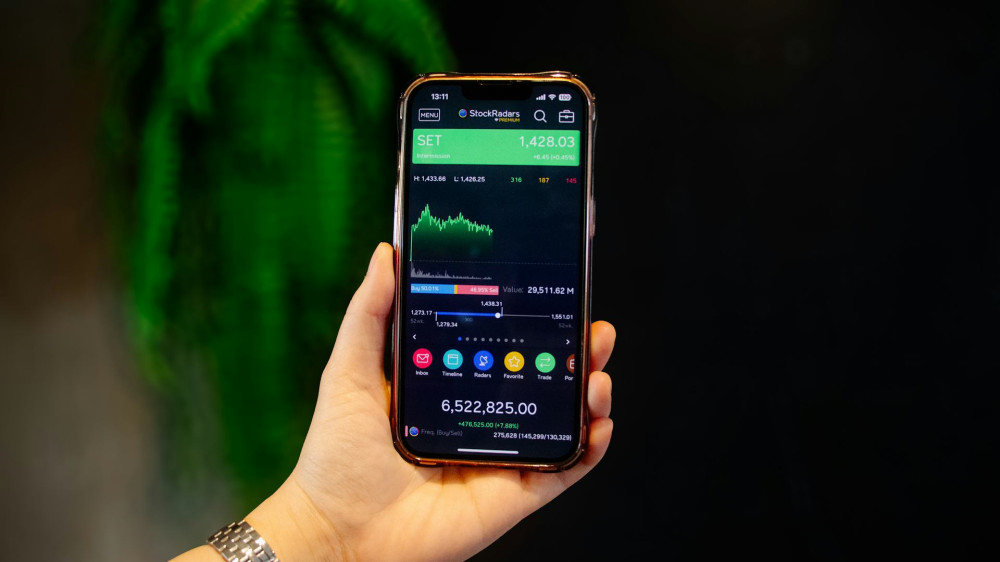
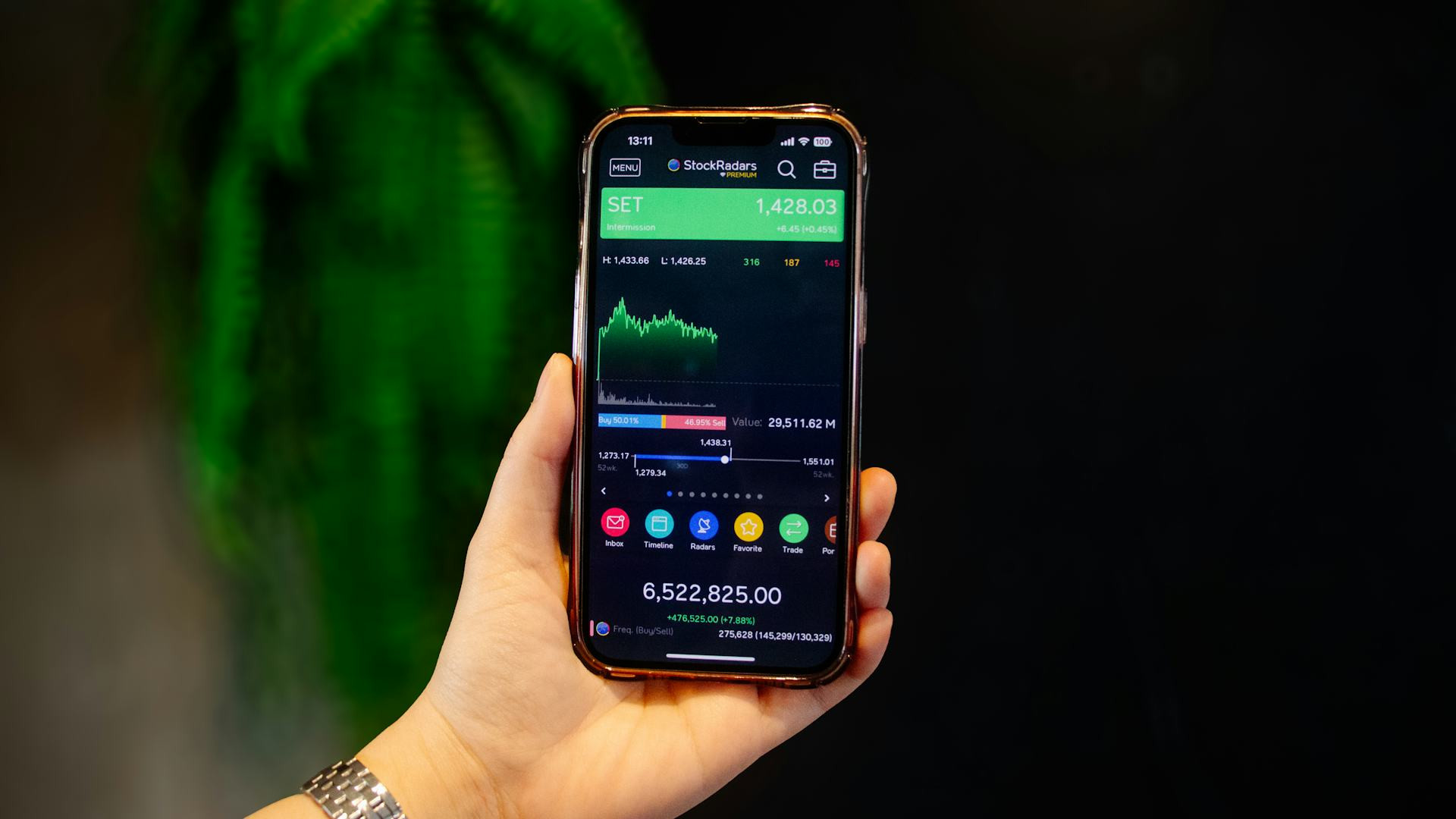
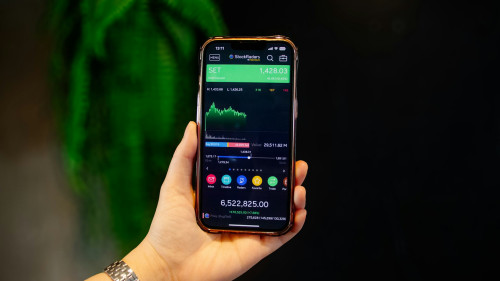
- Using a market app that tracks Treasury yields and corporate bond spreads.
- Listening to finance podcasts during your commute or workout—an easy way to stay informed without extra screen time.
The goal isn’t to follow everything, but to focus on the sources that give you the most value for your time.
Set specific times to check the market
One of the biggest pitfalls for individual investors is checking the market too often. It can create anxiety and lead to impulsive decisions. Instead, set fixed times—say, once a week—to review what’s happening.
Create a simple routine:
- Look at the movement in key yields, such as the 10-year U.S. Treasury.
- Read a short market summary from a trusted source.
- Consider whether any changes might affect your portfolio.
This approach keeps you informed without letting the market dictate your day.
Automate your monitoring
Most investment platforms let you set alerts or notifications when yields or prices move beyond certain levels. That way, you only get updates when something significant happens.
You can also use portfolio tracking tools that automatically show how your bond holdings are performing and how interest rate changes affect their value. Automation saves time and helps you stay calm when markets fluctuate.
Læs også:



Think long term—and tune out the noise
The bond market often moves in cycles that reflect broader economic trends. Short-term swings rarely tell the full story. If you hold bonds as part of a balanced portfolio, the key is to stick to your long-term plan.
Ask yourself:
- Why do I hold bonds in my portfolio?
- What is my investment horizon?
- Am I seeking stability, income, or diversification?
When you know your answers, it becomes easier to ignore daily volatility and focus on your bigger goals.
Make it a habit—not a burden
Following the bond market doesn’t have to be a full-time job. With a few simple routines, automated tools, and attention to the most important indicators, you can stay well-informed in less than half an hour a week.
It’s all about building a system that fits your life—so you can make smart decisions without letting the market take over your time.
Læs også: