Luck or Strategy? How to Play with a Focus on Strategy and Process Rather Than Chance

Luck or Strategy? How to Play with a Focus on Strategy and Process Rather Than Chance
When it comes to playing—whether it’s poker, board games, or online gaming—it’s easy to believe that luck is the deciding factor. But behind every consistent winner lies a clear strategy, patience, and an understanding of the game’s mechanics. Playing with a focus on strategy and process isn’t about eliminating chance; it’s about learning how to navigate it. Here’s how you can shift your mindset from luck to strategy—and get more out of the game, both in enjoyment and results.
Understanding the Difference Between Luck and Strategy
Luck is what you can’t control—the cards you’re dealt, the dice roll, or the spin of a wheel. Strategy, on the other hand, is everything you can control: your decisions, your risk tolerance, and your ability to read the situation.
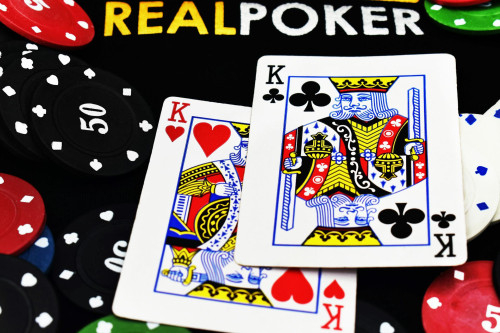
In games like poker, blackjack, or fantasy sports, luck plays a role in the short term, but over time, strategy determines who comes out ahead. Skilled players know they can’t control the outcome of a single hand or game, but they can make decisions that statistically give them an edge in the long run.
Know the Rules—and the Probabilities
A solid understanding of the rules is the foundation of any strategy. But to truly play strategically, you also need to understand the probabilities behind the game.
- In card games, it’s about knowing the odds of certain cards appearing and how to use that knowledge to your advantage.
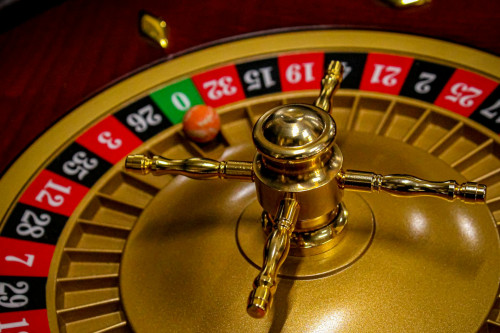
- In casino games like roulette or craps, you can’t influence the outcome, but you can choose bets with a lower house edge.
- In sports betting, it’s about analyzing data, player performance, and trends rather than relying on gut feelings.
The better you understand probabilities, the more rational your decisions become—and the less you’ll be swayed by random outcomes.
Læs også:


Focus on Process, Not Results
One of the biggest mistakes players make is judging success by a single outcome. Losing a hand doesn’t necessarily mean you played poorly—and winning doesn’t always mean you played well.
Professional players focus on the process: Did I make the best decision based on the information I had? Over time, good decisions lead to better results, even if there are ups and downs along the way. This mindset requires discipline and a long-term perspective.
Manage Your Emotions
Games can trigger strong emotions—especially when luck turns against you. Staying calm when you lose and not getting carried away when you win are key parts of a strategic approach.
- Avoid “tilt”—the emotional state where frustration leads to reckless play.
- Take breaks when you feel your emotions taking over.
- Set limits on time and money before you start playing.
Emotional control isn’t just a mental skill—it’s a strategic one that protects both your experience and your wallet.
Use Data and Observation
Strategic play also means observing and adapting. In poker, you can study opponents’ patterns. In sports betting, you can analyze past performances. Even in games of pure chance, you can use data to make more informed choices.
Many modern players use tools like tracking apps, spreadsheets, or statistical software to monitor their play and results. This helps you see how much of your performance comes from luck—and how much from strategy.
Accept Chance—but Don’t Let It Control You
Even the best strategy can’t remove luck from the equation. There will always be swings, and that’s part of the game’s nature. The key is to accept it without letting it dictate your approach.
When you play with a focus on strategy and process, the game becomes more than just winning or losing—it becomes about growth, analysis, and accountability. That makes the experience not only more rewarding but also more sustainable.
Play Responsibly
Playing strategically also means knowing your limits. Games should be entertainment, not a way to make money. Always set a budget and stop when it’s no longer fun. The best strategy of all is the one that ensures you play responsibly—and enjoy the game for what it is.
Læs også: