Design Thinking: A Driver of User-Centered Innovation

Design Thinking: A Driver of User-Centered Innovation
In an era where technology evolves at lightning speed and customer expectations shift just as quickly, the ability to design solutions that truly meet human needs has become a defining competitive advantage. This is where design thinking comes in. More than a process, it’s a mindset—one that places people at the heart of innovation and transforms how organizations create products, services, and strategies.
What Is Design Thinking?
Design thinking is an iterative approach that blends creativity, empathy, and analytical reasoning to tackle complex challenges. Instead of starting with technology or business constraints, it begins with the user: What do they need? What frustrates them? How can we create real value for them?
The process is often described in five stages:
- Empathize – Understand users’ needs through observation and conversation.
- Define – Frame the problem based on insights gathered.
- Ideate – Generate a wide range of possible solutions without judgment.
- Prototype – Build quick, tangible models of ideas.
- Test – Try out prototypes with users and learn from their feedback.
Unlike traditional linear processes, design thinking is fluid. Teams move back and forth between stages, refining and rethinking until they arrive at a solution that works in the real world.
From Product Development to Cultural Transformation
Originally rooted in the design world, design thinking has expanded far beyond it. Today, it’s used in industries ranging from healthcare and education to finance and government. U.S. companies like IBM, Airbnb, and IDEO have embraced design thinking not just as a tool for product development, but as a catalyst for organizational change.
When teams adopt design thinking, they’re not only improving what they make—they’re changing how they think and collaborate. Cross-functional teamwork, rapid experimentation, and openness to failure become part of the culture. The result is a more agile, learning-oriented organization where innovation is continuous rather than occasional.
Empathy as the Engine of Innovation
One of the most distinctive aspects of design thinking is its emphasis on empathy. Instead of assuming what users want, teams immerse themselves in users’ experiences—observing, interviewing, and understanding their perspectives.
This human-centered approach often uncovers needs that users themselves may not articulate. A healthcare provider, for instance, might discover that patients don’t just want faster service—they want reassurance and clarity during stressful moments. A financial institution might learn that customers value confidence in their decisions as much as convenience. By uncovering these deeper motivations, organizations can design solutions that truly resonate.
Prototyping and Learning by Doing
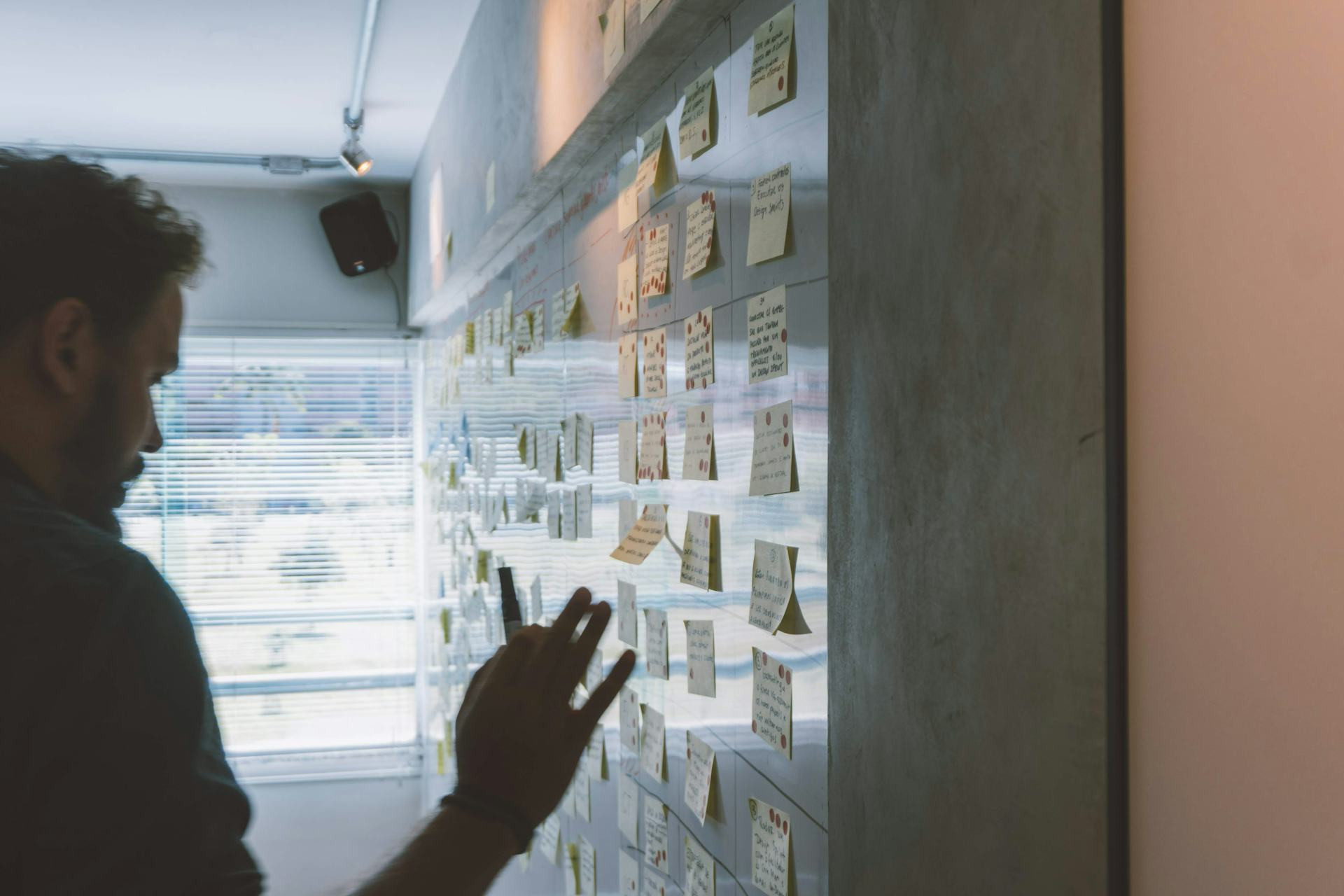
Prototyping is another cornerstone of design thinking. It’s about making ideas tangible early—whether through sketches, digital mockups, or simple role-playing exercises. The goal is to test quickly, learn fast, and refine before investing heavily.
This experimental mindset reduces the risk of large-scale failure because feedback is gathered continuously. It also fosters a culture where mistakes are seen as opportunities to learn rather than setbacks to avoid. In a business environment that prizes speed and adaptability, this approach can be transformative.
Design Thinking in Action
Across the United States, organizations are applying design thinking to reimagine how they serve people. Public agencies use it to improve citizen experiences, universities apply it to redesign learning environments, and startups rely on it to uncover new business models. Even large corporations are using design thinking to break down silos and reconnect with their customers’ real needs.
What unites these efforts is a shift from assumption-driven to insight-driven innovation. By grounding decisions in empathy and experimentation, organizations create solutions that are not only effective but meaningful.
Læs også:



A Mindset for the Future
Design thinking isn’t a magic formula—it’s a way of thinking that helps organizations navigate complexity with creativity and purpose. By centering on the user, embracing experimentation, and fostering collaboration, companies can design solutions that are innovative, sustainable, and human.
In a world defined by constant change, design thinking offers something enduring: a reminder that the best innovations start not with technology, but with understanding people.
Læs også: